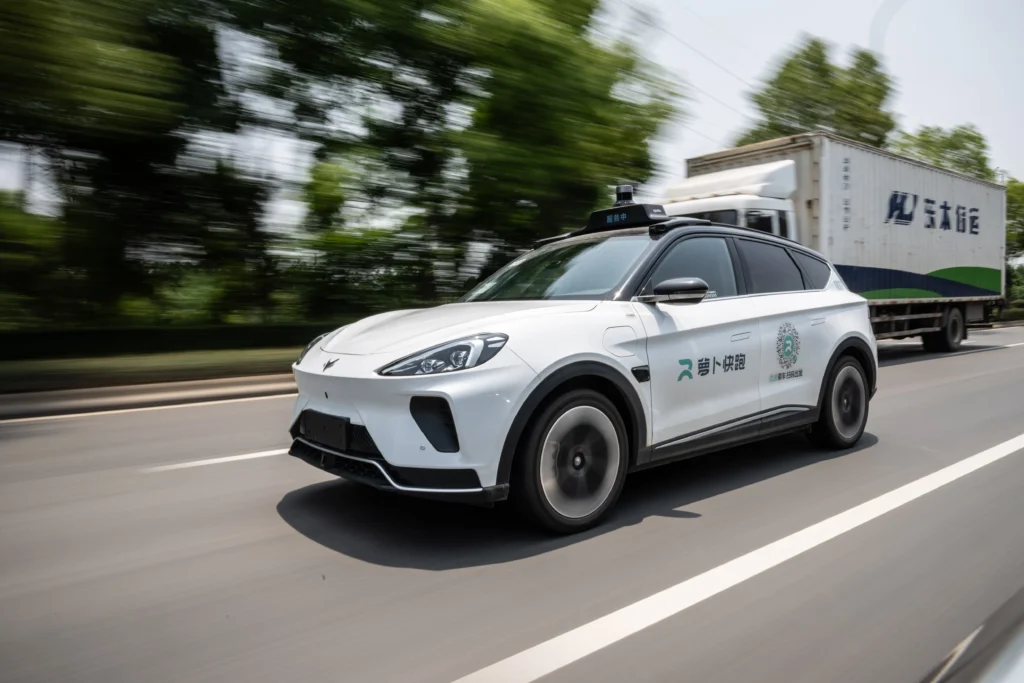

China has hit the brakes on new robotaxi licenses, and honestly, it’s about time someone took a closer look. According to Bloomberg, the government has suspended approvals for autonomous vehicles after a spectacular mess in Wuhan last month, where dozens of Baidu Apollo Go robotaxis just… stopped. In traffic. Causing chaos.
The restrictions are straightforward: no new driverless cars can join existing fleets, no expansion into new cities, and no fresh test projects. When the freeze will lift? Nobody’s saying.
What happened in Wuhan was exactly the kind of nightmare scenario that makes regulators nervous. A whole bunch of Baidu’s robotaxis ground to a halt simultaneously, blocking roads and generally creating the kind of gridlock that makes you miss human drivers. The incident reportedly spooked authorities in Beijing enough that they told local governments to review the entire sector and figure out how to prevent a repeat.
I’ve been following autonomous vehicle developments for years, and this isn’t the first time a rollout has gone sideways. But the scale here matters. Baidu had been aggressively pushing its Apollo Go service in Wuhan, turning the city into a kind of real-world lab for driverless taxis. When that lab explodes, the whole industry feels the heat.
The freeze is a blunt instrument, but it makes sense. You can’t have fleets of robotaxis turning into expensive roadblocks. What’s less clear is whether this is a temporary pause or the beginning of a more cautious era for autonomous vehicles in China. The government has been a huge booster of the tech, but safety and public trust are fragile things.
If I were betting, I’d say we’ll see new rules rather than a permanent ban. But for now, the robotaxi gold rush in China is officially on hold.
Comments (0)
Login Log in to comment.
Be the first to comment!