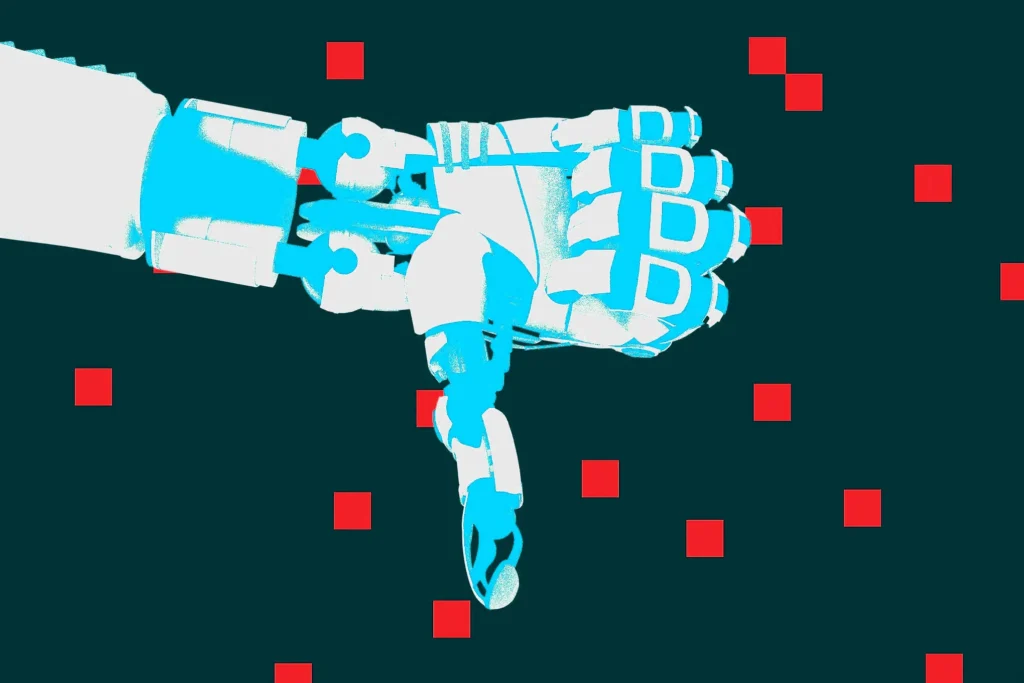

It’s been almost three years since Silicon Valley decided that large language model chatbots like ChatGPT were the inevitable future of everything. And no group has felt the pressure of that push quite like Gen Z.
Young people are always early adopters of tech trends, so it’s no surprise they’re among the biggest users of AI chatbot tools. But here’s the twist that OpenAI and Google don’t put in their press releases: polling data shows that Gen Z students and workers are a major part of the wider cultural backlash against AI. Even as they open these tools daily, vast swaths of young people are deeply acrimonious about them.
That’s a strange position to be in—relying on something you resent. It’s like eating fast food every day because it’s cheap and convenient, while hating what it does to your body. The difference is, with AI, the pressure isn’t just personal. It’s systemic. Schools are integrating these tools into curricula. Employers expect proficiency. The message from above is clear: adapt or get left behind.
But young people aren’t stupid. They see the hype for what it is. They know that AI chatbots hallucinate, that they can be biased, that they’re trained on data scraped without consent. They also know that the tech industry is selling them a solution to problems they didn’t ask to have solved. The result is a weird cognitive dissonance: using the tool while distrusting the system that built it.
This isn’t just anecdotal. The Verge cited polling data showing that Gen Z’s hostility toward AI is real and measurable. It’s not just a few vocal critics on Twitter. It’s a broad sentiment among the people who are supposed to be the technology’s most natural audience.
What makes this interesting is how it contrasts with previous tech cycles. Millennials didn’t love Facebook with a side of resentment. They just loved Facebook until they didn’t. Gen Z’s relationship with AI is more complicated from the start—a kind of love-hate that’s baked into the adoption curve itself.
I think part of it is that AI feels different from other tools. Social media was about connecting with people. Streaming was about entertainment. AI feels like it’s trying to replace parts of thinking itself. That’s unsettling, especially when you’re young and still figuring out who you are and what you’re capable of. Having a machine that can write your essay or draft your email doesn’t feel empowering—it feels like a cheat code that devalues the game.
There’s also the job market angle. Gen Z entered a workforce already gutted by automation and gigification. Now they’re being told that the next wave of AI will take even more jobs. Using the tool feels like collaborating with the enemy, even when you have no choice.
So what happens next? The tech industry will keep pushing AI because that’s where the money is. Schools and employers will keep integrating it because efficiency. But if the people using these tools most heavily are also the ones most hostile to them, that’s a recipe for a backlash that doesn’t just fade away. It could shape regulation, workplace policies, and even the next generation of product design.
For now, Gen Z is stuck in a paradox: heavy users who hate the product. That’s not a sustainable relationship, and the tech companies who ignore it do so at their own risk.
Comments (0)
Login Log in to comment.
Be the first to comment!