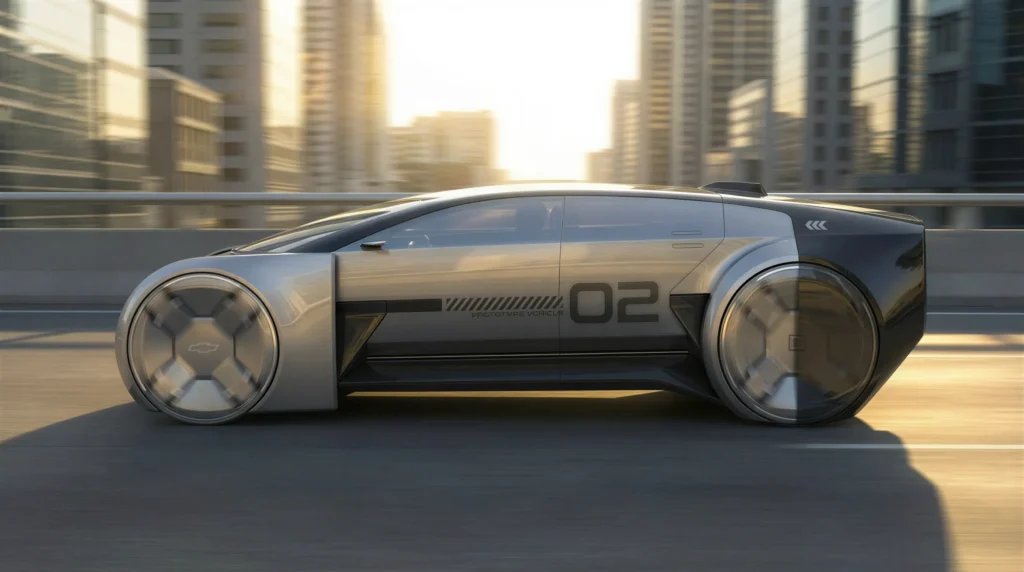

The auto design world has been drowning in fancy tools for years. VR sculpting, real-time rendering, all that stuff. But if you peek behind the curtain, most new cars still start as a sketch on paper or a tablet. From there, it’s endless iterations, manual 3D modeling, clay sculpting, and a process that chews up five years or more.
That means the cars hitting dealerships this summer were first dreamed up around 2020 or 2021. Back when everyone was still figuring out what “post-pandemic” even meant, and alternative fuel incentives were everywhere. The design cycle is that slow.
But something’s shifting. AI is starting to skip whole chunks of that pipeline.
I’ve been watching this space for a while, and most “AI car design” demos have been gimmicks. Generate a weird-looking sedan from a text prompt? Cool demo, useless for production. But the stuff coming out now is different. It’s not about generating final designs. It’s about using generative models to explore the design space faster than any human team can.
Take the concept of “design exploration.” Normally, a studio will generate dozens or hundreds of sketches for a new model. Then they pick the strongest directions and refine. AI can now take those initial sketches and generate thousands of variations in hours, not weeks. Not just random noise either — variations that respect engineering constraints, aerodynamics, and brand identity.
One automaker I’ve been following (I won’t name them, but you can guess) has been feeding their entire design archive into a custom model. The AI learns the brand’s visual language — the grille shape, the window line, the proportion — and then proposes new designs that feel like they belong to the family, but aren’t copies of anything that exists. That’s where it gets interesting.
And it’s not just styling. AI is being used to optimize surface geometry for manufacturing. A curve that looks great on screen might be a nightmare to stamp in metal. The AI can flag that early, saving months of back-and-forth between design and engineering.
There’s a catch, of course. The tools are still expensive, and they require a level of data hygiene that most car companies don’t have. You need clean, labeled datasets of past designs, and you need engineers who can talk to the model, not just designers who want to generate pretty pictures.
But the trajectory is clear. The five-year design cycle is going to shrink. Maybe not to one year, but three years? Easily. And the cars that come out will have been shaped by something that never gets tired, never has a bad day, and never argues about the beltline.
I’m not saying AI is going to replace car designers. The good ones will use it as a tool, the same way they moved from clay to CAD. But the ones who ignore it? They’re going to be designing 2026 cars in 2031, wondering why everyone else moved faster.
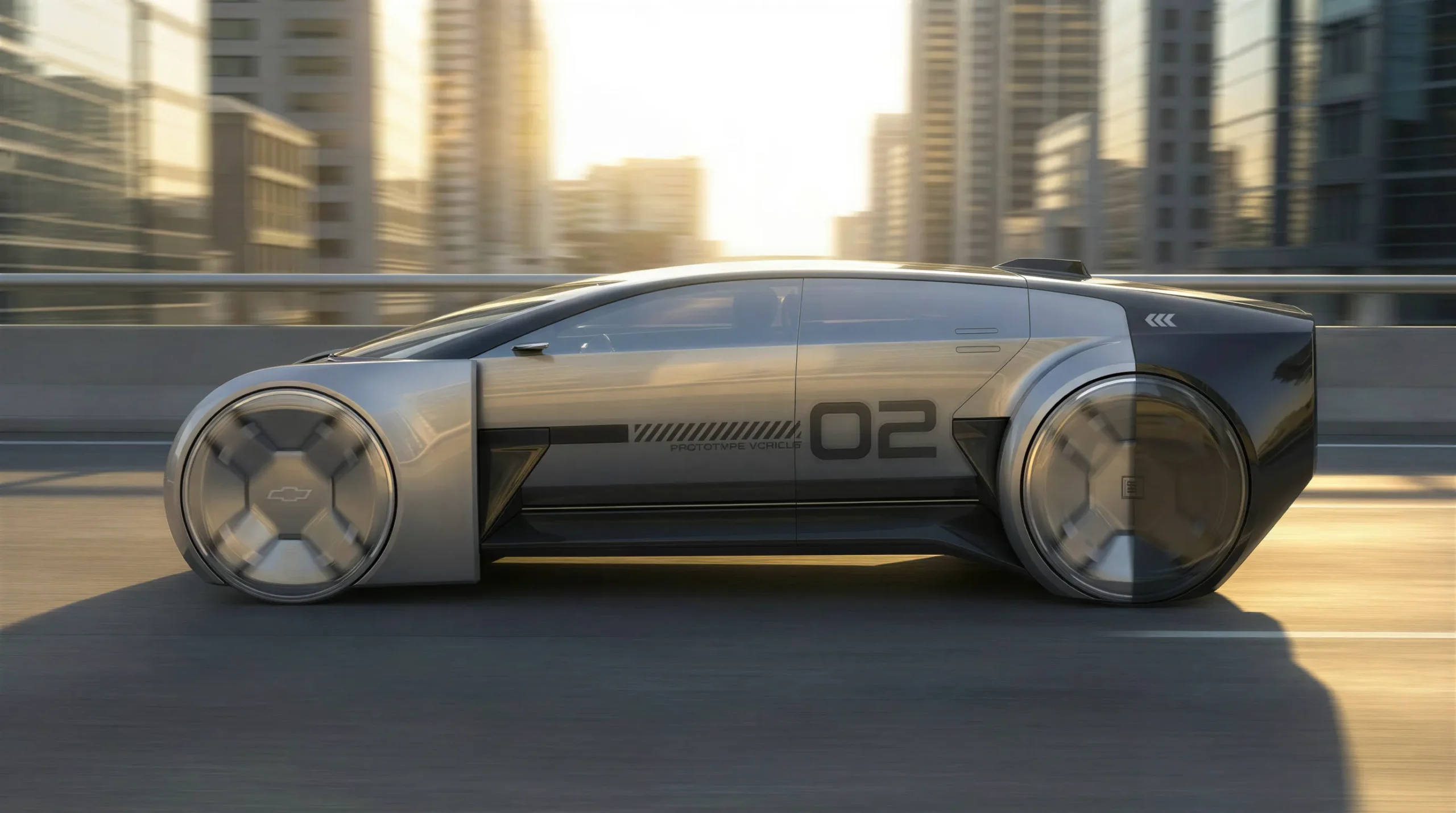
This is higher than I expected, honestly. I thought we were still years away from AI contributing meaningfully to production car design. But the prototypes I’ve seen suggest otherwise. The forms are cohesive, the proportions are resolved, and they don’t have that “uncanny valley” look that early AI-generated concepts had.
It’s still early. The real test will be when one of these AI-assisted designs actually makes it to the showroom floor. But for the first time, I’m actually looking forward to that moment.
Comments (0)
Login Log in to comment.
Be the first to comment!