
The first 24 hours of the US assault on Iran saw more than 1,000 targets hit — nearly double the scale of the “shock and awe” campaign that opened the Iraq War over twenty years ago. That’s not just a bigger bombs-and-bunkers stat. It’s a direct result of AI systems that have fundamentally changed how the military picks what to blow up.
The key player here is the Maven Smart System. If you’ve followed defense tech at all, you’ve heard the name. But what actually happened between 2017, when Maven started as a half-baked experiment in applying computer vision to drone footage, and now, when it’s baked into the core of targeting decisions?
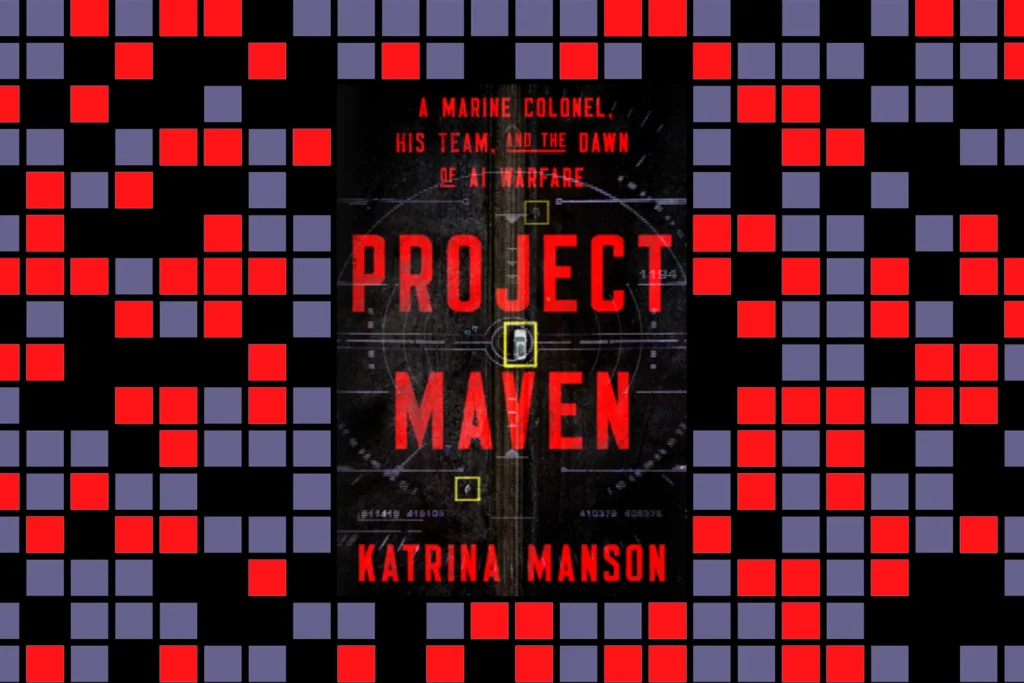
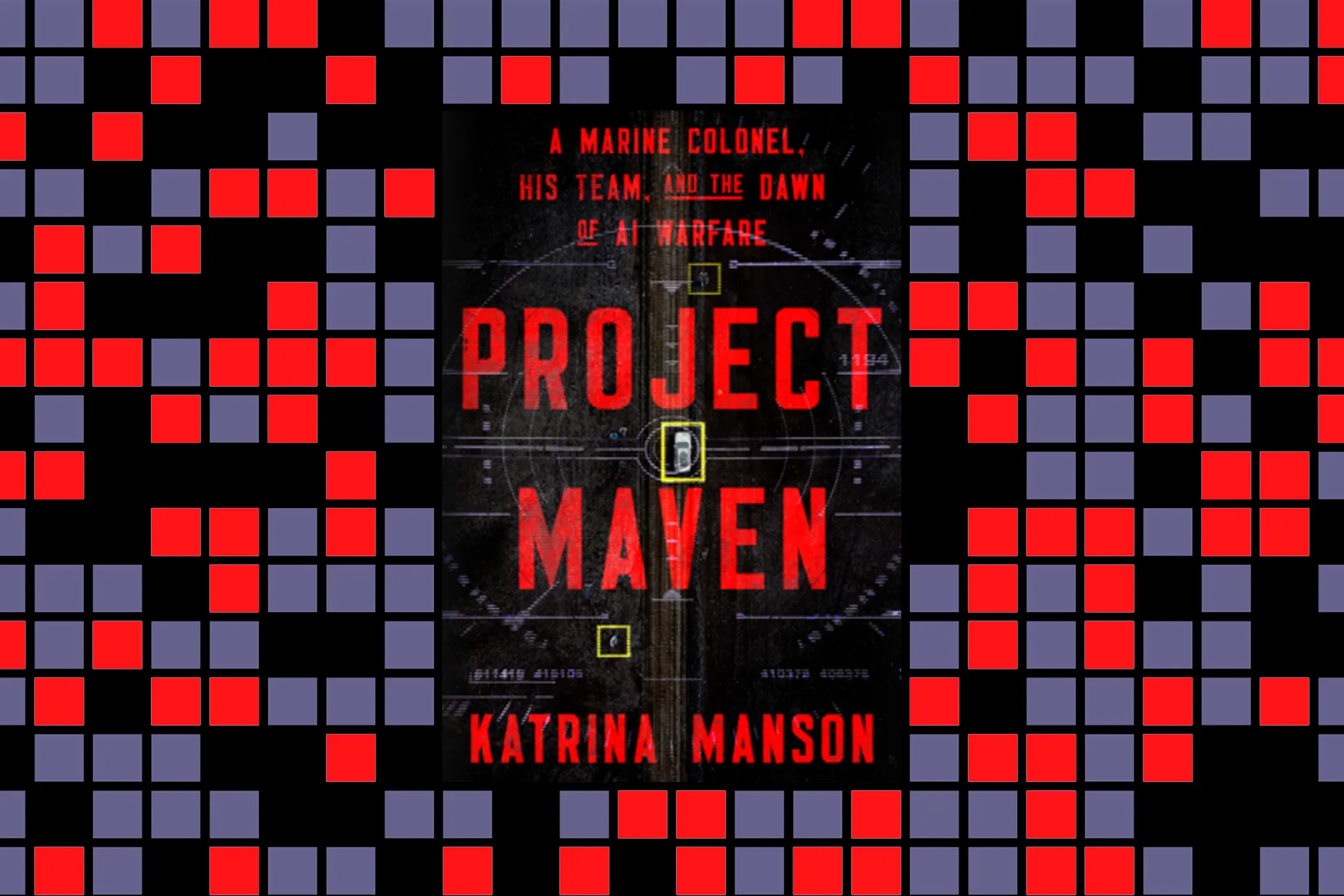
Journalist Katrina Manson has a new book out that digs into exactly that: Project Maven: A Marine Colonel, His Team, and the Dawn of AI Warfare. I picked it up expecting another dry policy tome, but it’s surprisingly readable. Manson tracks the project from its scrappy beginnings through the infamous Google employee protests — you remember, the ones where hundreds of staffers quit rather than help build AI for killing — to its current status as the military’s favorite new toy.
What strikes me is how quickly the military’s attitude shifted. In 2017, the idea of letting an algorithm suggest targets was met with deep skepticism from senior officers. By 2026, it’s standard operating procedure. The book apparently shows how a single Marine colonel — the kind of guy who could talk to both Silicon Valley engineers and Pentagon bureaucrats — essentially dragged the institution into the AI era by force of will.
The scale is what gets me. 1,000 targets in 24 hours. That’s not just speed; that’s a completely different kind of war. You can’t do that with human analysts alone, no matter how many coffee pots you empty. Maven doesn’t just find things faster — it finds things humans would miss entirely, or at least not flag as important in time.
Of course, there’s the ethical side. The Google protests were a big deal at the time, and Manson doesn’t shy away from the tension between the engineers who built the system and the people who used it. But the book’s real value, from what I’ve read so far, is in showing how this technology actually works in practice, not just in theory. It’s one thing to argue about autonomous weapons at a conference. It’s another to watch a Marine colonel explain to a room of skeptical generals why they should trust a machine’s targeting suggestions over their own instincts.
If you care about where AI is heading — and especially if you think it’s all chatbots and image generators — this is the story you need to understand. The military doesn’t move fast on anything, except when it does. And Maven is the reason why.
Comments (0)
Login Log in to comment.
Be the first to comment!