
We hear a lot about AI taking over the world, but we rarely talk about the people who make it work. The ones staring at screens in Nairobi and Gulu, sifting through the worst of humanity for about a dollar an hour.
Mercy was one of them. She worked as a content moderator for Meta at an outsourced office in Nairobi. Her job was simple on paper: review flagged Facebook videos and decide if they violate company guidelines. In practice, it meant watching a fatal car crash, then realizing the victim was her own grandfather.
She ran out crying. Her supervisor followed, not to console her, but to remind her she’d need to finish her shift if she wanted to hit her targets. She could take tomorrow off, he said, but since she was already there, she might as well keep going. When she returned to her desk, new tickets were waiting — the same crash from different angles, photos of the car, pictures of the dead. Her grandfather, over and over.
Mercy’s story isn’t an outlier. It’s the norm.
I’ve read enough about the gig economy to know exploitation isn’t new, but this is a different beast. These aren’t delivery drivers hustling for tips. These are people paid to absorb trauma so algorithms can learn what not to show us.
Content moderators and data annotators are the invisible backbone of AI. Moderators scrub social media of toxic posts. Annotators label data so machine learning models can recognize objects, text, or sentiment. Without them, ChatGPT doesn’t work. Facebook’s feed doesn’t filter itself. Self-driving cars don’t learn to spot pedestrians.
And they do it for wages that would be illegal in most Western countries. We’re talking about $1.50 an hour, maybe less. Ten-hour shifts. Five hundred to a thousand “tickets” a day. One ticket every 55 seconds.
“Physically you are tired, mentally you are tired, you are like a walking zombie,” one Nigerian migrant worker told researchers. Another said moderators witness suicides, torture, and rape “almost every day.” You start normalizing things that aren’t normal, they said. Some reported suicidal thoughts. Others lost their spouses. The job leaves marks that don’t wash off.
The company policies make it worse. Workers who run from their desks after seeing a beheading are penalized for forgetting to log their status as “idle” or “bathroom break.” Productivity scores take a hit. Management offers a 30-minute weekly session with a “wellness counselor” — a colleague with zero psychological training.
I don’t know what’s more disturbing: the content itself, or the cold bureaucratic machinery that processes these people as disposable.
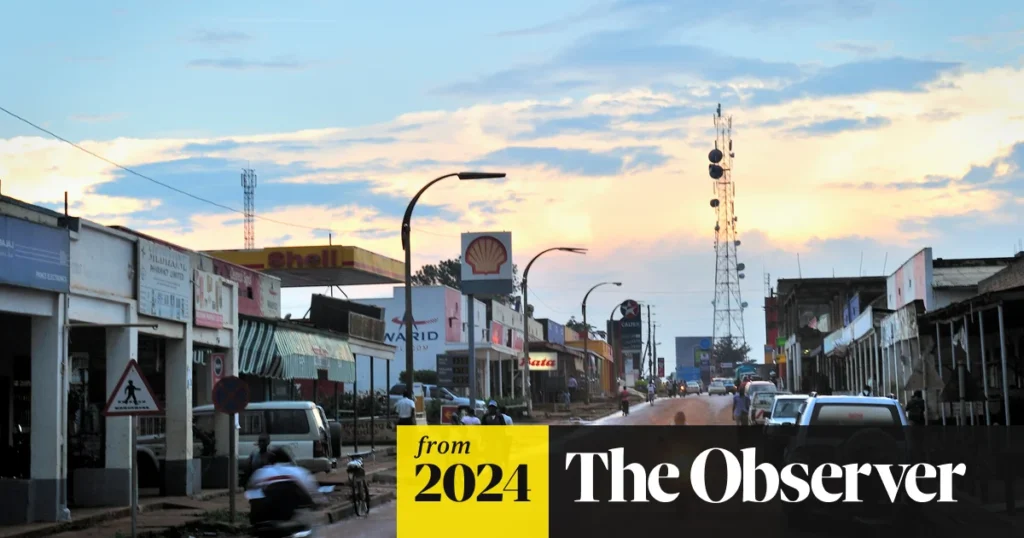
This is the dirty secret of AI. We marvel at models that generate poetry or diagnose diseases, but we ignore the human assembly line that makes them possible. The data centers are in Virginia and Singapore. The data work is outsourced to Kenya, Uganda, the Philippines. Same supply chain, different labor conditions.
There’s a pattern here. Every tech revolution relies on cheap labor somewhere. The Industrial Revolution had child laborers in coal mines. The digital revolution had Foxconn workers assembling iPhones. The AI revolution has content moderators in Nairobi watching beheadings for pocket change.
What’s different this time is the psychological toll. A factory worker’s body wears down. A moderator’s mind breaks. You can’t unsee what they see. You can’t unfeel the trauma of watching someone die, then being told to categorize it correctly so the algorithm learns.
Some workers described collapsing in the office. Others said they attempted suicide. The researchers who interviewed dozens of these workers for a new study paint a grim picture: long hours, low pay, high turnover, and a management culture that treats human suffering as a productivity metric.
Meta, for its part, says it requires its outsourcing partners to provide wellness support. But the gap between policy and practice is a canyon. The counselors are unqualified. The breaks are too short. The targets are too high.
And the workers keep showing up, because jobs are scarce and $1 an hour is better than nothing.
I’m not writing this to shame anyone who uses AI. I use it daily. Most of us do. But we should at least acknowledge what we’re asking of the people at the bottom of this stack. Every time an AI model correctly identifies a toxic comment or a violent video, somewhere a human being watched something they’ll never forget.
The AI revolution isn’t clean. It’s built on the backs of people like Mercy, paid pennies to process the worst of humanity so the rest of us can scroll in peace.
Comments (0)
Login Log in to comment.
Be the first to comment!