
Amazon dropped its Q1 2026 earnings yesterday, and the headline number everyone’s looking at is AWS revenue. It came in at $28.3 billion, up 22% year over year and ahead of analyst estimates by about a billion. That’s a strong quarter by any measure, especially when you consider how much enterprise cloud spending has been under scrutiny lately.
But the other number that jumped out at me is capital expenditure. Amazon spent $18.7 billion on capex in Q1, most of it going into AWS infrastructure — data centers, networking gear, custom silicon, the works. That’s up from $14 billion in the same quarter last year, and way up from the $11 billion range we saw two years ago.
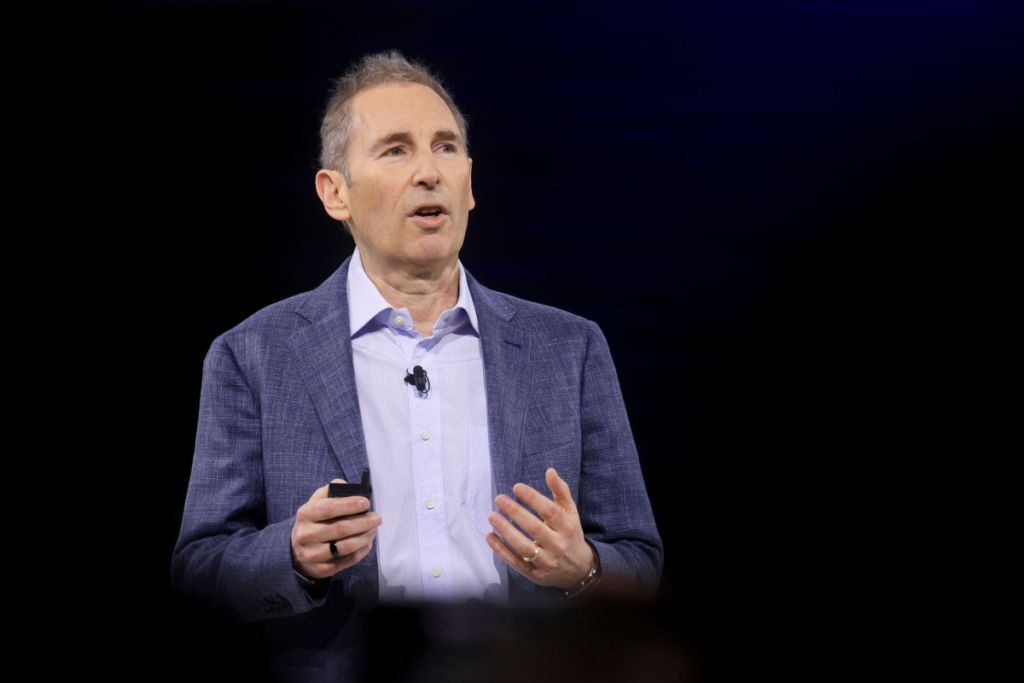
CEO Andy Jassy was blunt on the earnings call: “We expect our capital spending to remain elevated through the rest of the year.” No hedging, no promise of a slowdown. Just a straight-up commitment to keep pumping money into the cloud buildout.
Now, I’ve been watching this space long enough to know that when a company spends this aggressively, investors start getting twitchy. But Amazon’s position is unique. AWS still owns roughly a third of the cloud market, and the AI inference boom is driving demand for compute that nobody saw coming three years ago. Every major AI company — OpenAI, Anthropic, the lot — is renting capacity from AWS, Azure, or GCP. And Amazon is betting that the demand curve stays steep.
The interesting tension here is between operating margin and growth. AWS operating margin was 37% in Q1, which is healthy but down from 40% a year ago. That tells me they’re pricing aggressively to win deals and also spending on their own AI services like Bedrock and SageMaker. Margin compression in exchange for market share is a trade I’ve seen before, and it usually works out if you’re the market leader.
A lot of people are asking whether this capex cycle will eventually hurt Amazon if demand softens. My take: it’s a risk, but a calculated one. Amazon has the balance sheet to absorb a miss, and the long-term contracts with AWS customers provide a revenue floor that most other tech companies don’t have. The bigger risk is underinvesting and letting Microsoft or Google eat into that 33% share.
Jassy also mentioned that AWS is seeing “meaningful acceleration” in enterprise migrations, which is code for “companies that dragged their feet on cloud adoption are finally moving.” That’s a tailwind that could last another two or three years, especially for regulated industries like banking and healthcare.
So where does this leave us? Amazon is in a high-stakes game of building infrastructure before demand materializes. It’s expensive, it’s risky, and it’s working — at least for now. The real test will come in 2027, when these data centers are live and we see whether the AI workload growth justifies the spend. Until then, I’d rather be the company with too much capacity than too little.
Comments (0)
Login Log in to comment.
Be the first to comment!