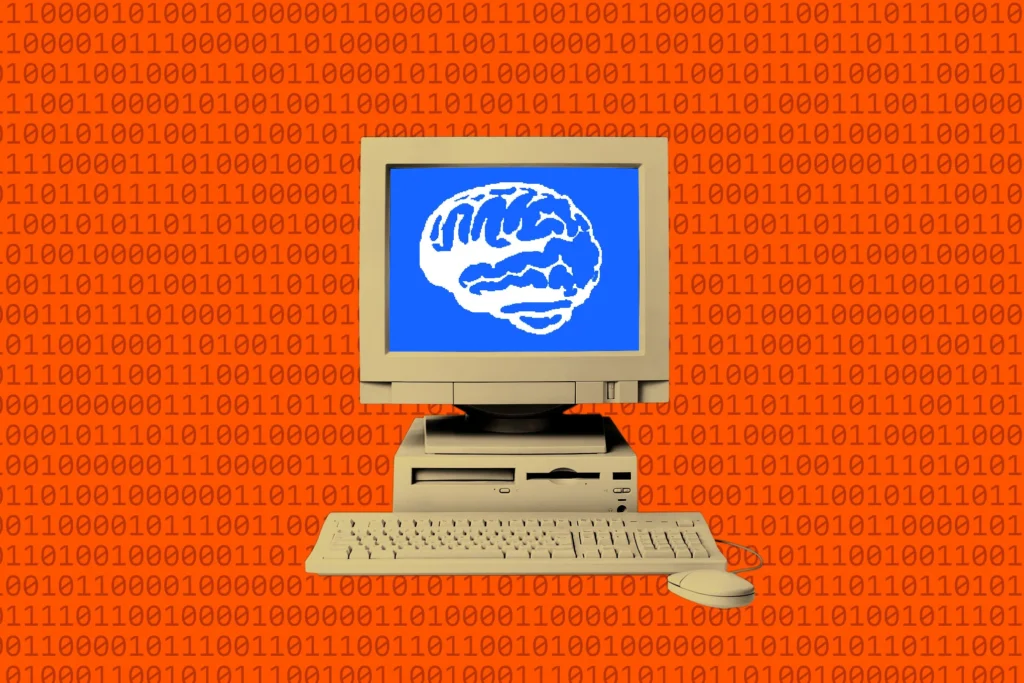

Canonical is finally ready to make Ubuntu an AI-first operating system. Or at least, that’s the pitch.
Jon Seager, VP of engineering over at Canonical, dropped a blog post on Monday outlining the company’s AI plans for the next year. Phoronix spotted it first, and The Verge picked it up. The gist is this: Ubuntu is getting AI features in two waves.
First, Canonical wants to improve existing OS functionality by running AI models quietly in the background. Think better speech-to-text, more natural text-to-speech, that kind of accessibility stuff. That’s the boring but necessary foundation layer.
Then comes the flashier part: “AI native” features and workflows for people who actually want to lean into this stuff. Agentic AI for automating tasks, smarter file management, maybe even some local LLM integration. Canonical hasn’t spilled all the details yet, but the direction is clear.
I’ve been running Ubuntu on and off for over a decade, and I’ve seen Canonical chase trends before. Remember the Unity desktop? The Mir display server? Some of these pivots worked, some didn’t. But AI is different — this isn’t just a UI experiment. If Canonical gets this right, Ubuntu could become the go-to distro for developers who want local AI without the cloud dependency.
That said, I’m skeptical about the execution. Canonical has a habit of over-promising and under-delivering on ambitious features. The “agentic AI” stuff sounds great on paper, but making it work reliably across different hardware configurations is a nightmare. And let’s not forget that most Linux users still can’t get NVIDIA drivers to play nice on a fresh install.
The timing makes sense though. Apple has been shoving AI into macOS, Microsoft is stuffing Copilot into Windows, and even Google is pushing Gemini into ChromeOS. Linux can’t afford to sit this one out. But Ubuntu’s approach — starting with background improvements before jumping into flashy features — is smarter than trying to ship a half-baked assistant.
What I really want to see is how Canonical handles privacy. If they’re running models locally, that’s fine. But if there’s any cloud dependency for these features, the community will push back hard. Canonical has already burned goodwill with things like the Amazon search integration in Unity. They can’t afford another privacy misstep.
No word yet on a specific release date or which Ubuntu version will ship these features. Probably the next LTS, but that’s a guess. For now, I’m cautiously optimistic. Ubuntu needs a differentiator, and AI could be it — if Canonical doesn’t screw it up.
Comments (0)
Login Log in to comment.
Be the first to comment!