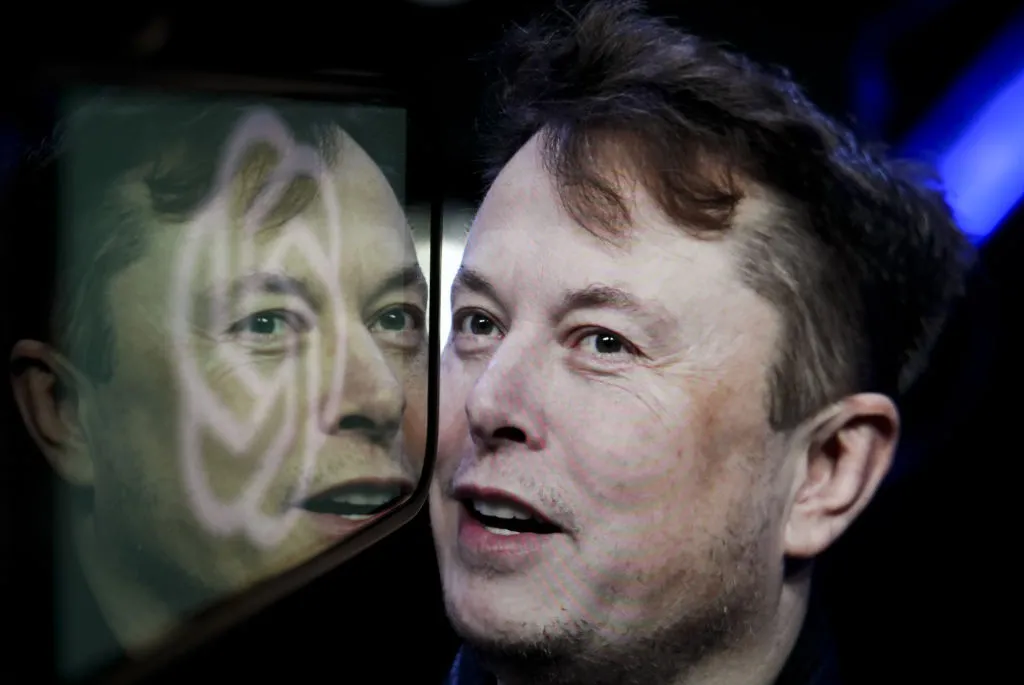

Elon Musk walked into a California federal court on Wednesday ready to argue that Sam Altman and crew “stole a charity.” He walked out having admitted, under oath, that Tesla is not currently pursuing artificial general intelligence (AGI). That directly contradicts a tweet he posted just weeks ago.
It was that kind of day.
The lawsuit challenges OpenAI’s structure, claiming Altman tricked him into backing a non-profit, then let the for-profit arm take over. After hours of occasionally testy testimony, the case seems to come down to one question: how much does the distinction between capped and uncapped investor profits matter to a jury and Judge Yvonne Gonzalez Rogers?
In Musk’s version of events, he co-founded the lab with Altman, Ilya Sutskever, Greg Brockman, and others, trusting them to build AI for humanity. Over time, he says, he got suspicious and concluded they were “looting the nonprofit.”
OpenAI’s lawyer William Savitt had a different story to tell during cross-examination. He tried to show that Musk had supported moving OpenAI toward for-profit status for years, including floating the idea of folding it into Tesla. Musk admitted he discussed converting to for-profit as early as 2016 and explored creating a for-profit arm in 2017 where he’d hold the majority equity. When those plans fell apart, he stopped regular donations but kept paying for office space until 2020.
Musk insisted there’s a big difference between investors with capped profits and those without. Microsoft’s early investments had profit caps that got rolled back over time, and Musk says those changes drove him to sue.
Savitt also brought up that Musk was consulted by Altman and Shivon Zillis—his longtime adviser and mother of four of his children—about fundraising efforts and didn’t object. Zillis was on the OpenAI board when some of those transactions were approved.
The most awkward moment came when Musk was asked about Tesla’s AI ambitions. After saying Tesla’s AI work is only about self-driving, not AGI, he was confronted with his own X post claiming “Tesla will be one of the companies to make AGI.” His response: “We are not pursuing AGI right now.” Tesla shareholders might want to take note.
Musk was also grilled about claiming he invested $100 million in OpenAI when only $38 million actually changed hands. He argued his reputation and network made up the difference.
Savitt brought up emails where Musk backed efforts by Tesla and Neuralink to poach OpenAI employees while he was still on the board. Another conversation focused on his attempts to hire OpenAI leaders after leaving the board in 2018, including Andrej Karpathy, who left to lead self-driving at Tesla. There was also talk of Zillis suggesting Musk recruit Sutskever.
The most consequential part might be about harm prevention. Musk’s case partly rests on the idea that OpenAI’s transition to a traditional corporation is dangerous because it reduces safety focus. Savitt got Musk to admit that all AI companies, including his own, face this risk.
Judge Gonzalez Rogers halted that line of questioning but made clear it would resume with limits. When Musk’s lawyers tried to bring up ChatGPT‘s role in the Tumbler Ridge shooting in Canada, she shut that down but said xAI and OpenAI’s safety approaches are fair game.
Musk returns Thursday for more questioning. Also expected to testify: his family office manager Jared Birchall, AI safety expert Stuart Russell, and OpenAI president Greg Brockman.
Correction: An earlier version misstated details of the Tumbler Ridge shooting due to an editing error.
Comments (0)
Login Log in to comment.
Be the first to comment!