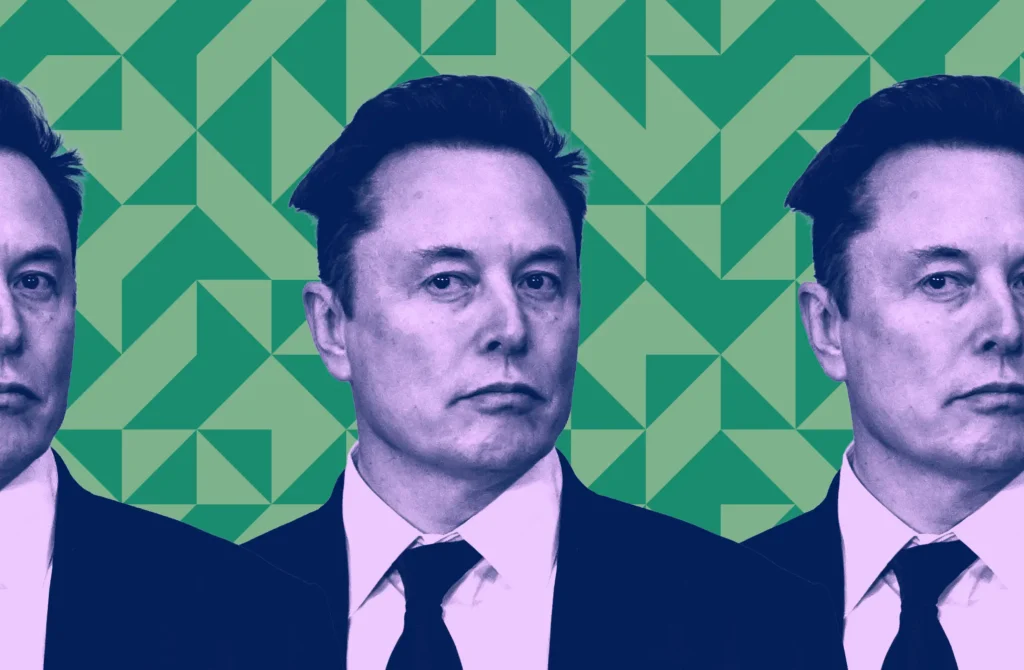

Elon Musk took the stand this week in his trial against Sam Altman, and he didn’t waste any time setting the stage. He went all the way back to arriving in Canada with “$2,500 in Canadian travelers’ checks and a bag of clothes and books,” then walked the jury through Zip2, PayPal, and the rest of his empire.
That’s a lot of biography for a courtroom. You don’t spend that long on your origin story unless you’re trying to build a character. And Musk, for all his quirks, knows exactly what he’s doing here.
He’s positioning himself as the guy who came from nothing, built everything, and now — as he framed it — just wants to save humanity. That’s the core of his defense. Not legal arguments about contracts or fiduciary duty, but a moral appeal: I’m the one who cares about the big picture.
The trial itself is messy. Musk is suing Altman and OpenAI over the direction of the company, arguing it abandoned its original nonprofit mission. Whether he has a strong legal case is debatable, but the courtroom is also a stage, and Musk is playing to the gallery.
What strikes me is how rehearsed this feels. The “poor immigrant makes good” narrative is a classic, sure, but Musk has been polishing this version of his life story for years. He’s not just recounting facts; he’s curating a myth. And he expects the jury to buy into it.
Will it work? Juries are unpredictable, but Musk’s track record with public persuasion is mixed. Some people see the visionary; others see the guy who overpromises on timelines and runs Twitter into the ground. The trial will test which version wins in a room where facts matter more than tweets.
Either way, this is a fascinating glimpse into how Musk wants to be remembered. Not as a billionaire CEO or a meme lord, but as humanity’s last best hope. That’s a heavy lift in any courtroom.
Comments (0)
Login Log in to comment.
Be the first to comment!