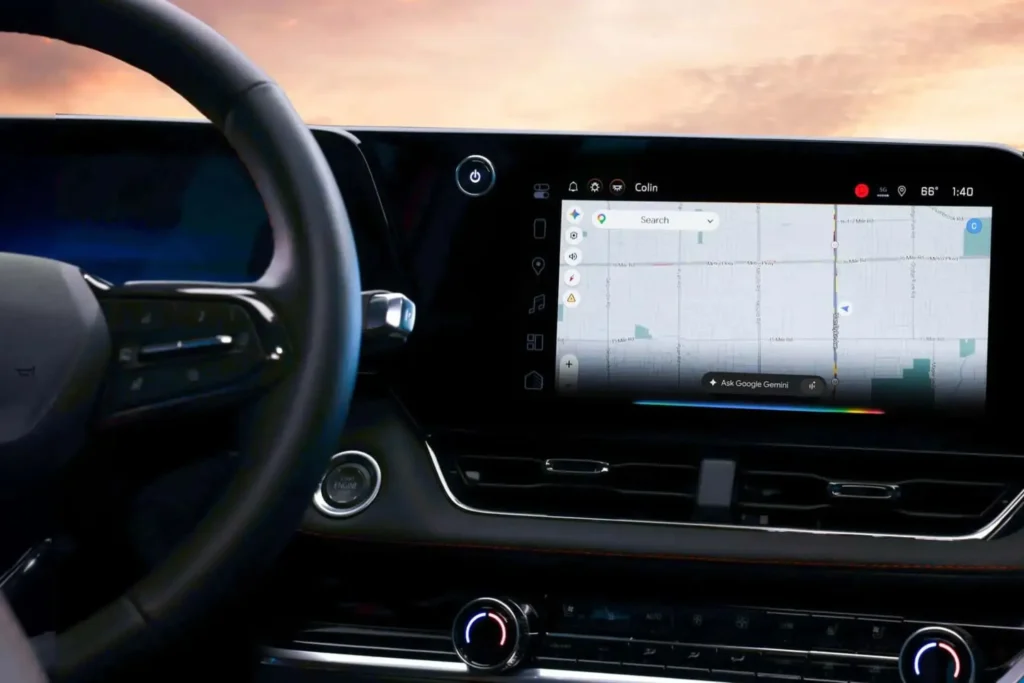

General Motors just announced it’s bringing Google’s Gemini AI assistant to roughly four million vehicles across the US. That’s Cadillac, Chevrolet, Buick, and GMC models from model year 2022 and newer, as long as they have Google built-in. The update will hit cars via over-the-air software patches over the next several months.
GM is calling this “one of the largest deployments of Gemini in the industry,” which feels like a flex but also a warning. The company says customers will notice an upgrade from the current Google Assistant to something smarter and more intuitive that “continues to improve over time.”
I’ve been using Google Assistant in cars for a while now, and honestly, the current version is fine for basic stuff: navigation, music, calls. But “improves over time” is a phrase that gives me pause. It usually means the system is going to learn from your behavior, which sounds great until you realize it also means it’s collecting more data. GM didn’t spell out the privacy implications here, and that’s a gap I’d like to see addressed.
The rollout covers a huge chunk of GM’s recent lineup. That’s impressive from a logistics standpoint. But I’ve seen enough car infotainment systems that promise the moon and deliver a glitchy mess. Gemini is powerful—I use it on my phone—but putting it in a moving vehicle with safety-critical systems is a different ballgame.
There’s also the question of whether drivers actually need a smarter assistant. The current Google Assistant already handles most voice commands well. What’s Gemini going to do that’s genuinely useful? Have a conversation about the best route while you’re merging onto the highway? I’m skeptical.
GM’s announcement is short on specifics about what exactly changes. The Verge’s original piece mentions the assistant will be “smarter” and “more intuitive,” but that’s marketing speak until I see it in action. I’ll believe it when I test it in a rental.
On the plus side, this is a big win for Google. Getting Gemini into millions of vehicles is a massive distribution deal. For GM, it’s a way to differentiate their infotainment without building their own AI from scratch. But for drivers? The real test is whether this makes the experience less annoying or just adds another layer of complexity to something that should be simple.
I’m not saying it’s bad. I’m saying I’ve been burned before by car software updates that promise the world and deliver a slightly different shade of frustration. If GM pulls this off cleanly, great. If not, we’re going to see a lot of forum posts about “Gemini crashed my radio.”
We’ll know more once the rollout actually starts. Until then, I’m keeping my expectations low and my data usage settings on lockdown.
Comments (0)
Login Log in to comment.
Be the first to comment!