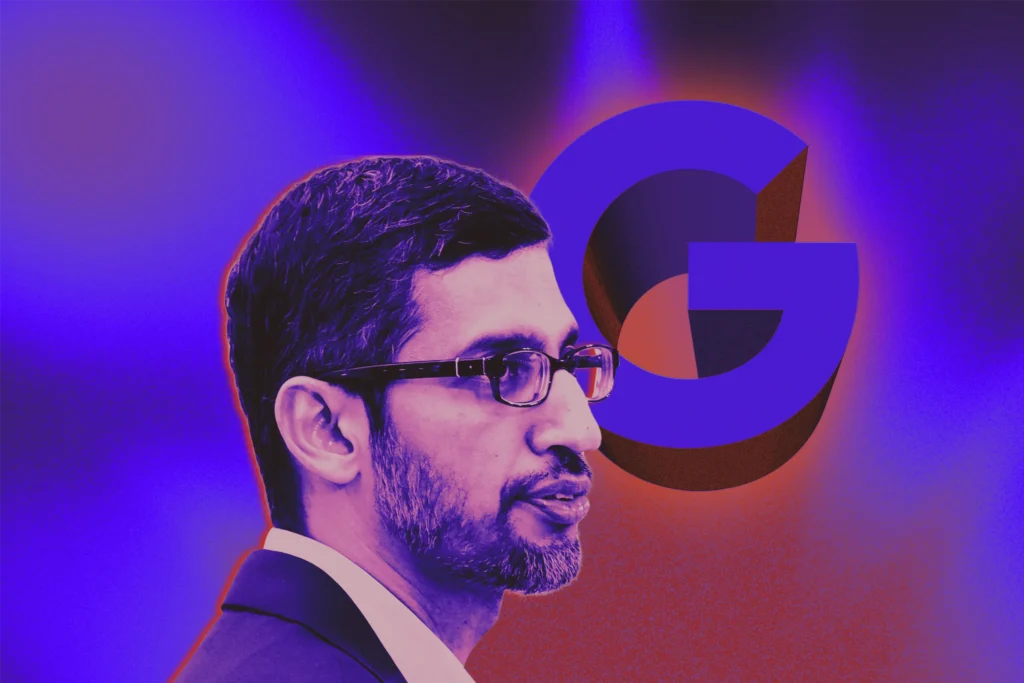

Google has reportedly signed a classified agreement with the U.S. Department of Defense, allowing the Pentagon to use its AI models for “any lawful government purpose.” The Information broke the story, and if true, it puts Google in the same bucket as OpenAI and xAI, which have already inked similar classified deals with the government.
What makes this one particularly messy is the timing. Less than a day before the report surfaced, Google employees were publicly demanding that CEO Sundar Pichai block the Pentagon from using the company’s AI. Their concern? That the tech would be used in ways they described as “inhumane or extremely harmful.” So much for that petition.

This isn’t Google’s first rodeo with the military. Remember Project Maven back in 2018? That was the AI drone imagery analysis program that caused a massive employee revolt, leading Google to back off and publish a set of AI principles that explicitly ruled out weapons systems. Those principles were quietly revised last year to remove that language, which should have been a red flag to anyone paying attention.
What’s different now is the scale and the secrecy. The new deal is classified, which means we don’t know the specifics—what models are involved, what data is being shared, or what “lawful” actually means in practice. The Pentagon’s legal interpretation of “lawful” has historically been broad enough to cover a lot of ground, including drone strikes and surveillance programs that human rights groups have challenged.
Anthropic, notably, was on that same list of AI companies with classified government deals until the Pentagon blacklisted them. Why? Because Anthropic refused to remove safeguards that the Department of Defense found inconvenient. That’s a sharp contrast to Google, which seems to have bent over backward to accommodate military requirements. It’s not a good look when a startup has more backbone than a trillion-dollar company.
The whole situation stinks of the usual tension between corporate ethics pledges and the reality of government contracts. Google’s AI principles are now flexible enough to accommodate this deal, and the classified nature of the agreement means employees and the public will have limited visibility into what’s actually happening. “Any lawful government purpose” is a phrase that gives me pause—it’s the kind of catch-all language that sounds reasonable until you realize it’s been used to justify everything from border surveillance to predictive policing.
I’m not saying Google shouldn’t work with the government at all. But the pattern is concerning: employees raise ethical concerns, leadership ignores them, and a deal gets signed in the dark. If you’re going to make these deals, at least be transparent about the boundaries. Otherwise, don’t be surprised when your own workforce doesn’t trust you.
Comments (0)
Login Log in to comment.
Be the first to comment!