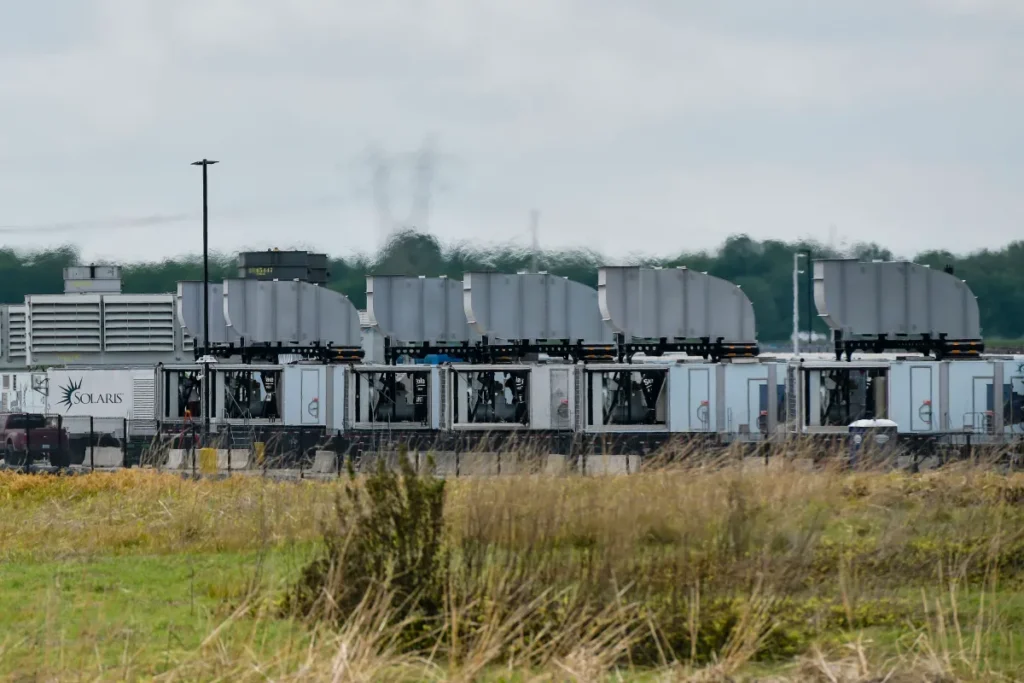

Maine just made a call that’s going to ruffle some feathers on both sides of the debate. Governor Janet Mills vetoed LD 307, a bill that would have slapped a statewide moratorium on new data centers — the first of its kind in the country — lasting until November 1, 2027.
Let’s be real: data centers are the backbone of the AI boom. Every time you ask ChatGPT a question or stream a 4K video, there’s a good chance it’s running through some massive, power-hungry facility somewhere. But they’re also controversial as hell. They gobble up electricity, strain local grids, and often don’t create the kind of jobs people imagine. So a moratorium sounds reasonable on paper, right?
Except Maine’s governor didn’t see it that way. Her veto message argued that a blanket ban would kill investment and send those projects — and the tax revenue they bring — straight to neighboring states. She’s not wrong. Data centers aren’t exactly lining up to build in rural Maine. They’re chasing cheap power and fiber, and if you make it harder, they’ll just go to New Hampshire or Canada.
But here’s the thing: the bill wasn’t some kneejerk reaction. It came from real concerns about energy consumption and environmental impact. Data centers already account for something like 1-2% of global electricity use, and that number is climbing fast. In states with tight grids, a single new facility can push the whole system toward brownouts. I’ve seen this play out in Virginia and California — it’s not pretty.
What I find interesting is that Maine was poised to be the test case. No other state has tried a statewide moratorium. Local ones exist — looking at you, Northern Virginia — but a state-level pause would’ve been unprecedented. It would’ve forced a real conversation about how we balance AI infrastructure with energy constraints. Instead, we get a veto and a lot of finger-pointing.
Mills’ office did leave the door open for more targeted regulations. That’s probably the smarter play anyway. Instead of a blunt instrument, why not mandate efficiency standards or require new centers to offset their power use with renewables? That’s the sort of thing that actually moves the needle without scaring off every developer.
For now, Maine stays open for business. But the underlying tension isn’t going away. As AI workloads explode, more states are going to face this choice: welcome the data centers and deal with the grid strain, or push back and risk losing the economic upside. Maine just chose option A, but don’t expect that to be the last word.
Comments (0)
Login Log in to comment.
Be the first to comment!