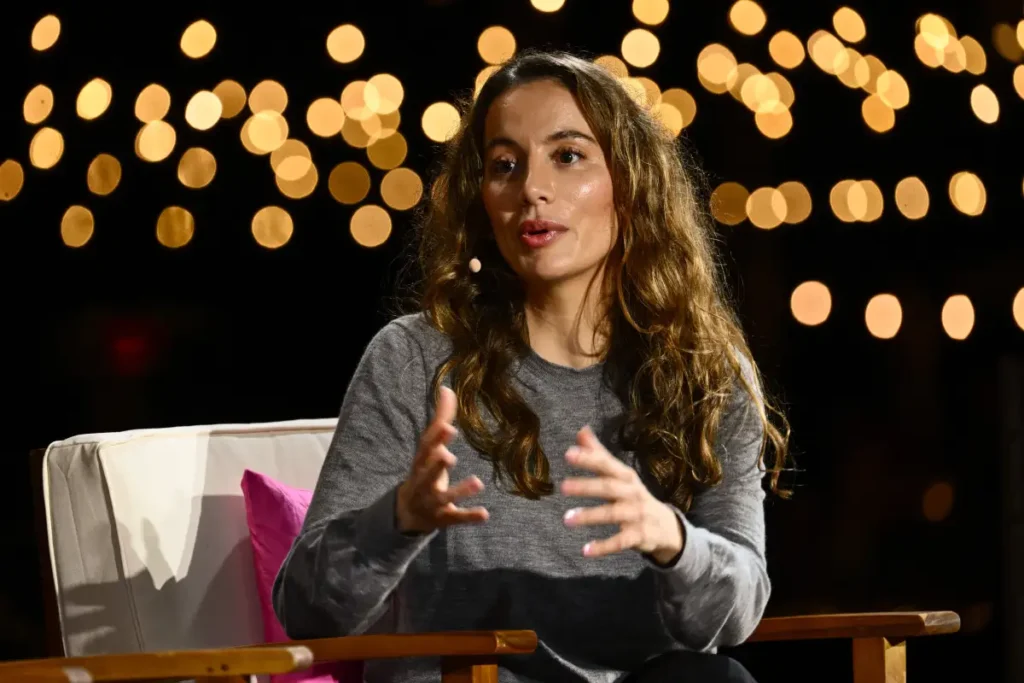

Weiyao Wang spent eight years at Meta — his first job out of college — building multimodal perception systems and contributing to open-world segmentation projects like SAM3D. His last day was last week. He now works at Thinking Machines Lab (TML).
That move alone wouldn’t raise eyebrows, but it’s part of a bigger pattern. TML just signed a multibillion-dollar cloud deal with Google, giving it access to Nvidia’s latest GB300 chips. That puts it in the same infrastructure tier as Anthropic and Meta. The deal was announced at Google Cloud Next this past Tuesday, following an earlier partnership with Nvidia.
Meta reportedly held talks to acquire Thinking Machines around this time last year. Since then, it’s been picking off TML’s founders one by one. Business Insider reported last week that Meta has now poached seven of TML’s founding members. But a review of LinkedIn profiles shows TML is raiding Meta right back — hiring more researchers from Meta than from any other single employer.
The most prominent TML hire from Meta is Soumith Chintala, the CTO. He spent 11 years at Meta and co-founded PyTorch, the open-source deep learning framework that underpins most AI research today. He left Meta in late 2025 and became CTO earlier this year. Piotr Dollár, another 11-year Meta veteran who served as research director and co-authored the Segment Anything model, is now on TML’s technical staff. Andrea Madotto, a research scientist in Meta’s FAIR division focused on multimodal language models, joined in December. James Sun, a software engineer with nearly nine years at Meta working on LLM pre- and post-training, also made the jump.
Kenneth Li — a Harvard PhD who spent 10 months at Meta — joined TML this month. The talent picture is fluid, with high-profile moves in both directions.
TML has also pulled from outside Meta. Neal Wu, a three-time gold medalist at the International Olympiad in Informatics and a founding member of the coding startup Cognition, joined early this year. Jeffrey Tao came via Waymo, Windsurf, and OpenAI. Muhammad Maaz previously held a research fellowship at Anthropic. Erik Wijmans arrived from Apple. Liliang Ren spent two and a half years on Microsoft’s AI Superintelligence team pre-training OpenAI models for code before joining in March.
The startup’s headcount now stands at around 140.
Meta’s pay packages — seven figures, no strings attached — are well known. For researchers weighing their options, the calculus may be simple: Thinking Machines Lab is valued at $12 billion. That figure would’ve been unimaginable for a company at this stage in any previous tech cycle — it has released just one product so far. But compared with the valuations of OpenAI and Anthropic, there’s still a lot of financial upside.
A spokesperson for TML declined to comment when reached Friday morning.
Comments (0)
Login Log in to comment.
Be the first to comment!