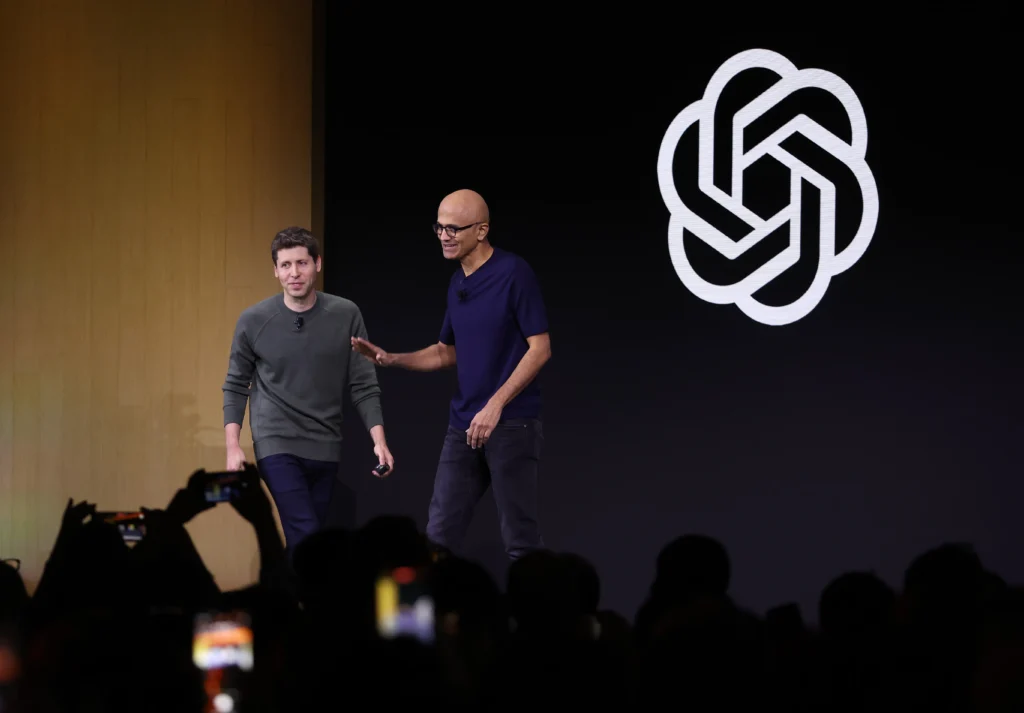

Microsoft’s relationship with OpenAI has always felt like watching two people who should break up but keep finding reasons to stay together. Executive spats, contract renegotiations, and endless drama over who pays for the GPU farm—it’s been a saga. So when the news dropped this week that they were finally restructuring the deal, I braced for a messy public divorce with lawyers and NDAs everywhere.
But somehow, it didn’t go that way. Microsoft announced the changes on Monday, and the biggest shift is that OpenAI can now sell its products and services through any cloud provider, not just Azure. That’s a huge deal. Previously, Microsoft had exclusive rights to host and resell OpenAI’s models—think ChatGPT running on Azure, GPT-4 API calls going through Microsoft’s infrastructure. That exclusivity was the backbone of the partnership, and now it’s gone.
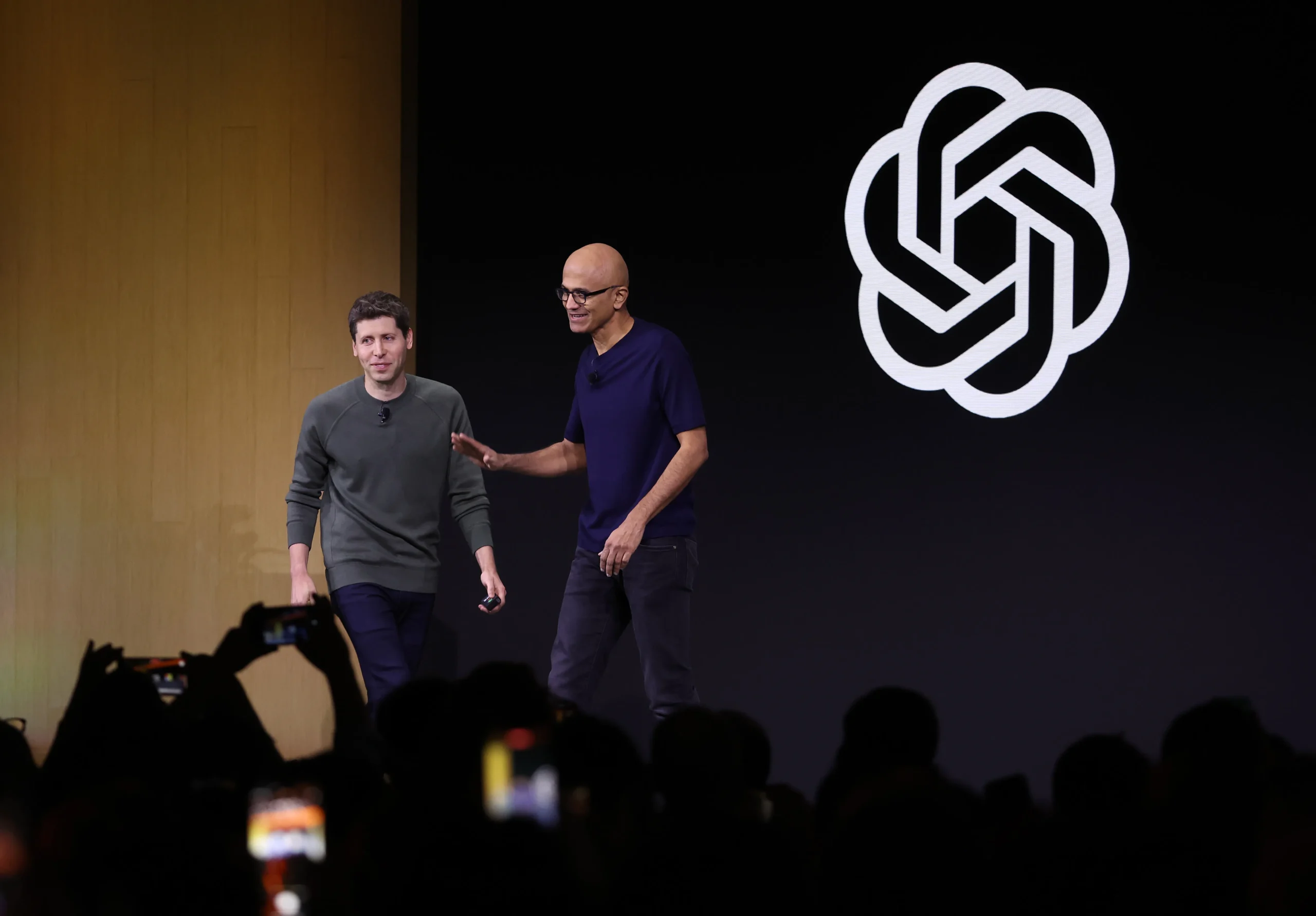
In exchange, Microsoft gets to keep its existing IP rights—meaning they can still use OpenAI’s tech in products like Copilot and Azure OpenAI Service. They also retain a revenue-sharing agreement, though the exact percentages haven’t been disclosed. Microsoft also reportedly gets a say in some strategic decisions, but not the kind of board seat drama we saw in 2023 when Sam Altman was briefly fired and rehired.
The timing makes sense. OpenAI needs more compute flexibility to scale, and being locked into one cloud provider was becoming a bottleneck. Microsoft, meanwhile, has been hedging its bets by investing in other AI models—Phi, Mistral, and even building its own in-house capabilities. The exclusivity was probably more trouble than it was worth for both sides.
What surprises me is how clean this all is. Usually, when a multi-billion dollar partnership restructures, there’s a lot of passive-aggressive press releases and anonymous leaks. Here, both sides seem to have agreed that the old model wasn’t working and moved on without burning bridges. OpenAI gets freedom, Microsoft gets continued access to the tech, and the world gets more competition in cloud AI hosting.
Of course, the real winner here might be Amazon and Google. With OpenAI now free to run on AWS or GCP, those cloud providers can finally offer GPT-4 and future models without the awkward second-class treatment. Expect a lot of announcements in the next few months about OpenAI availability on non-Microsoft clouds.
I’m curious how this affects pricing. With more competition in hosting, API costs might come down—or they might not, since demand is still insane. Either way, this is a healthier arrangement for everyone involved. Sometimes a breakup is exactly what you need.
Comments (0)
Login Log in to comment.
Be the first to comment!