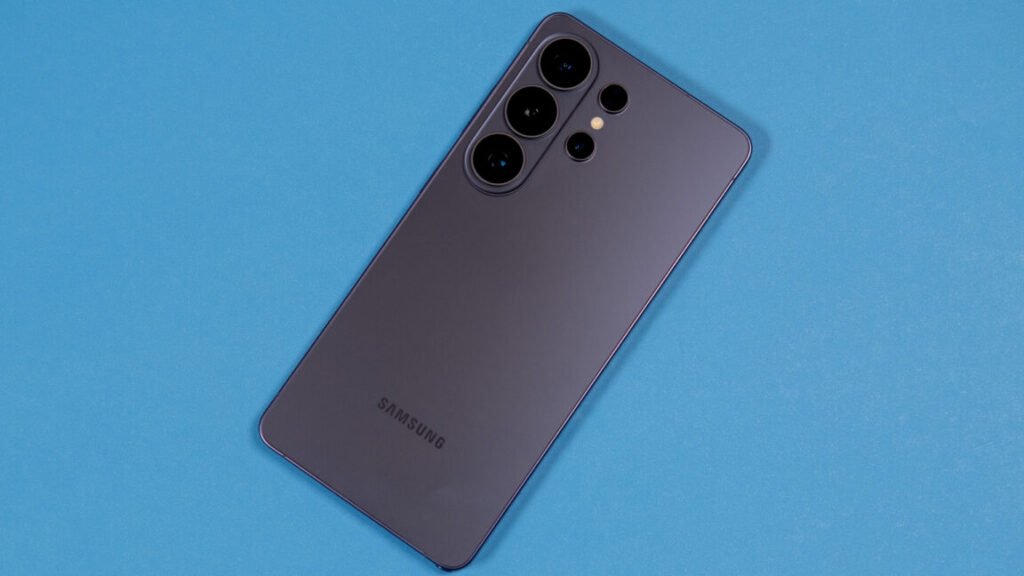

Selling smartphones used to be a license to print money. Everyone wanted one, and each new generation was a legit leap forward. Those days are long gone. The market is mature, most people upgrade every few years, and a bunch of manufacturers have already folded. Samsung is one of the few giants still standing, but even they might not be immune to the shifting winds.
According to a report from Money Today (Korean), Samsung MX boss TM Roh has warned company leadership that 2026 could bring the first net loss on smartphones in Samsung’s history. Think about that for a second. Samsung made money on phones through the 2008 financial crisis, through pandemic supply chain nightmares, through chip shortages that crippled other industries. They’ve never taken a loss on this business. Until maybe now.
The culprit? Not weak sales—apparently the Galaxy S26 line is doing fine. The problem is the skyrocketing cost of DRAM and NAND. These components are the lifeblood of modern smartphones, but they’re also the backbone of the AI boom, and that boom is sucking up supply like a black hole.
LPDDR5x memory, the same stuff in most flagship phones, is increasingly critical for AI workloads. Nvidia’s upcoming Vera AI CPU, which replaces Grace later this year, will pack up to 1.5 TB of LPDDR5x per chip. Their rack-scale AI platforms? 36 Vera CPUs paired with 72 Rubin GPUs. Do the math: the CPUs in a single one of those servers will consume enough RAM for roughly 4,600 Galaxy S26 Ultra devices (each with 12GB). That’s not a typo.
So while Samsung’s foundry and memory divisions are probably thrilled about the AI-driven demand, the mobile side is getting squeezed. They have to pay more for the same components, and they can’t exactly pass all that cost onto consumers without killing sales. Margins that were already thin in the mid-range are getting crushed.
This is a weird irony. Samsung is one of the world’s largest memory manufacturers, but its internal pricing doesn’t shield its own phone division from market realities. The same company that builds the chips is also the one getting hurt by their scarcity. It’s like owning a bakery and running a sandwich shop next door—you still have to pay market price for flour when there’s a shortage.
I’ve seen this pattern before in other hardware segments. When GPUs got crazy expensive during the crypto mining craze, even companies that made their own cards struggled to keep margins healthy on pre-built systems. But this feels different because it’s not a speculative bubble—it’s real, sustained demand from hyperscalers building out AI infrastructure. That’s not going away anytime soon.
Samsung isn’t alone in feeling this pinch, but they’re the most exposed because smartphones are still their bread and butter. Apple designs its own chips and can optimize around supply constraints differently. Chinese OEMs play a volume game with thinner margins to begin with. Samsung is stuck in the middle, trying to sell premium devices in a market where the cost of entry keeps rising.
The question is whether this is a one-year blip or the start of a structural shift. If AI demand keeps soaking up memory production capacity, smartphone makers will have to rethink their component strategies. Maybe we’ll see more phones with less RAM, or more aggressive use of older memory standards. Or maybe prices just go up and consumers finally feel the sting.
Either way, it’s a stark reminder that the AI boom doesn’t just affect data centers and cloud bills. It reaches all the way down to the phone in your pocket.
Comments (0)
Login Log in to comment.
Be the first to comment!